聖若瑟勞工主保堂
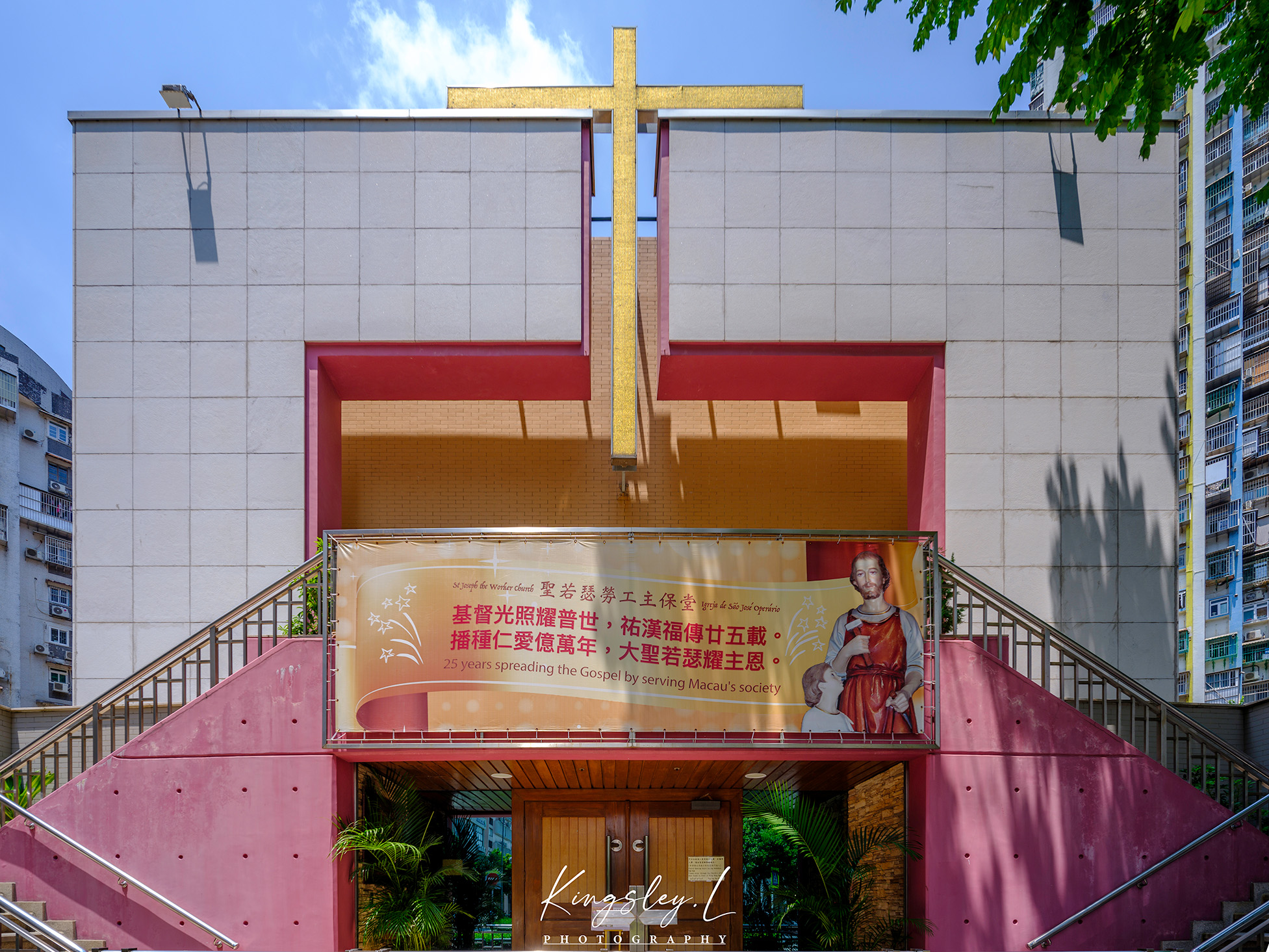
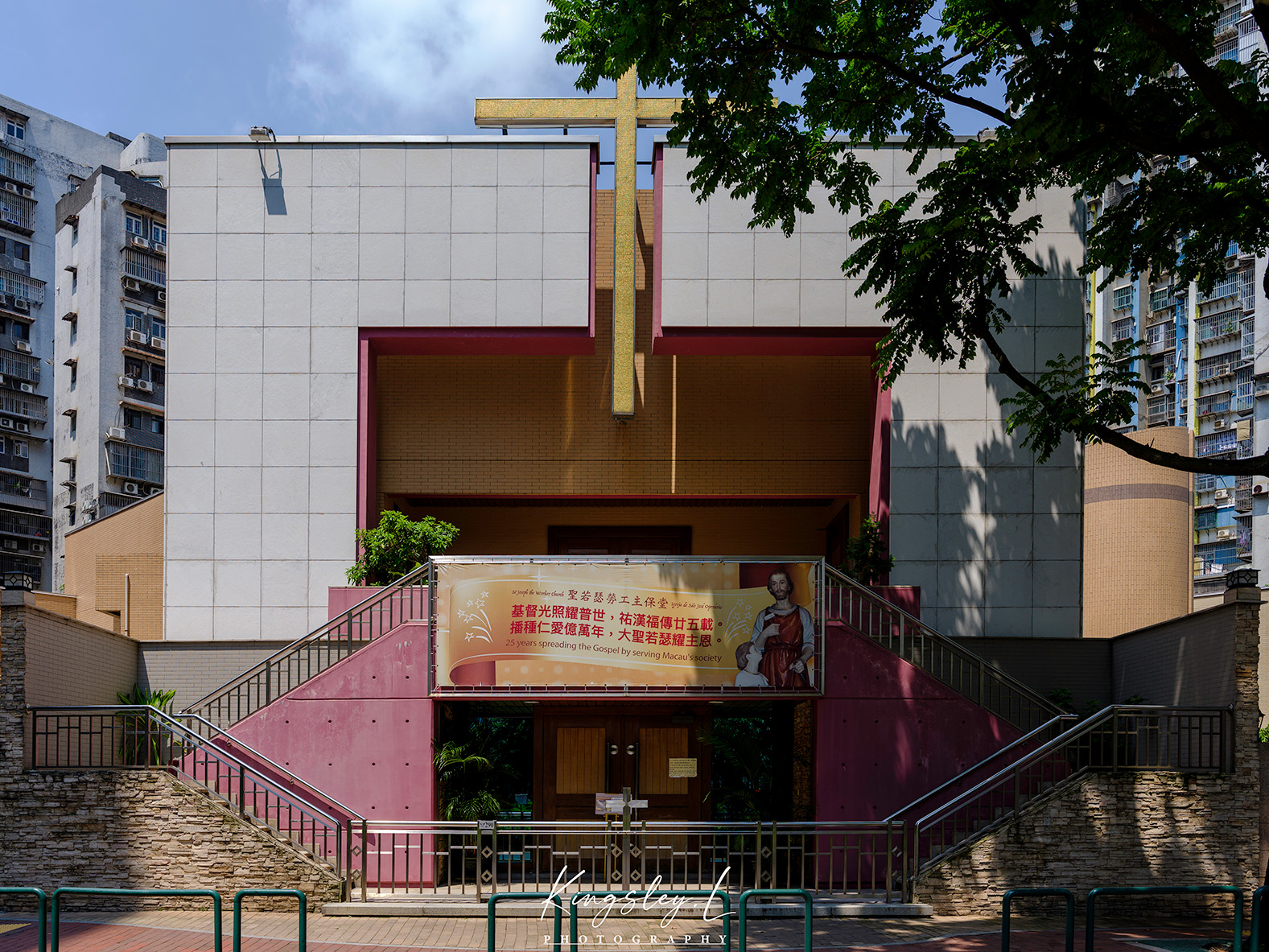
聖若瑟勞工主保堂,位處祐漢區,這區的居民大多數是工人及來自中國內地的新移民。而聖堂外形像兩隻向著中國張開的手臂,象徵歡迎廣大中國群眾來探訪和認識基督。而林主教更說道,聖堂對開的一幅草地,直通海邊,遠眺中國大陸,就像一條跑道。所以林主教特意將聖堂建設得像要飛向中國,以及整個遠東的沿海地區,寓意澳門教區的傳教方向是指向遠東區,向遠東區起飛!
聖若瑟「勞工主保」
大聖若瑟為全教會的主保及中國主保,慶節於三月十九日;又被封為全球勞工主保,慶典在每年五月一日勞動節。1955年教宗碧岳第十二定5月1日為「聖若瑟勞工主保節」,因為許多國家在5月1日慶祝勞動節,教宗以教會的慶節予以聖化,強調勞工的尊嚴。1956年又加上了「聖母淨配」名銜。
堂區歷史
聖若瑟勞工主保堂,為祐漢傳教堂區的聖堂,經過兩年的建築期及接近廿年的策劃,終於在澳門回歸前,以約二千五百萬澳門元建成,全數款項皆是教友主日彌撒的奉獻,當中並沒有國外或政府的捐款。策劃過程之中,為了開源節流,多位神父更要身兼數職,而當時林家駿主教更沒有秘書替他打字,辦公室裡的工作亦要親力親為。
終於一九九八年落成啟用,並交給金邦尼傳教會管理,於一九九九年五月一日,由澳門主教林家駿祝聖及主持奉獻典禮。
復修後新面貌
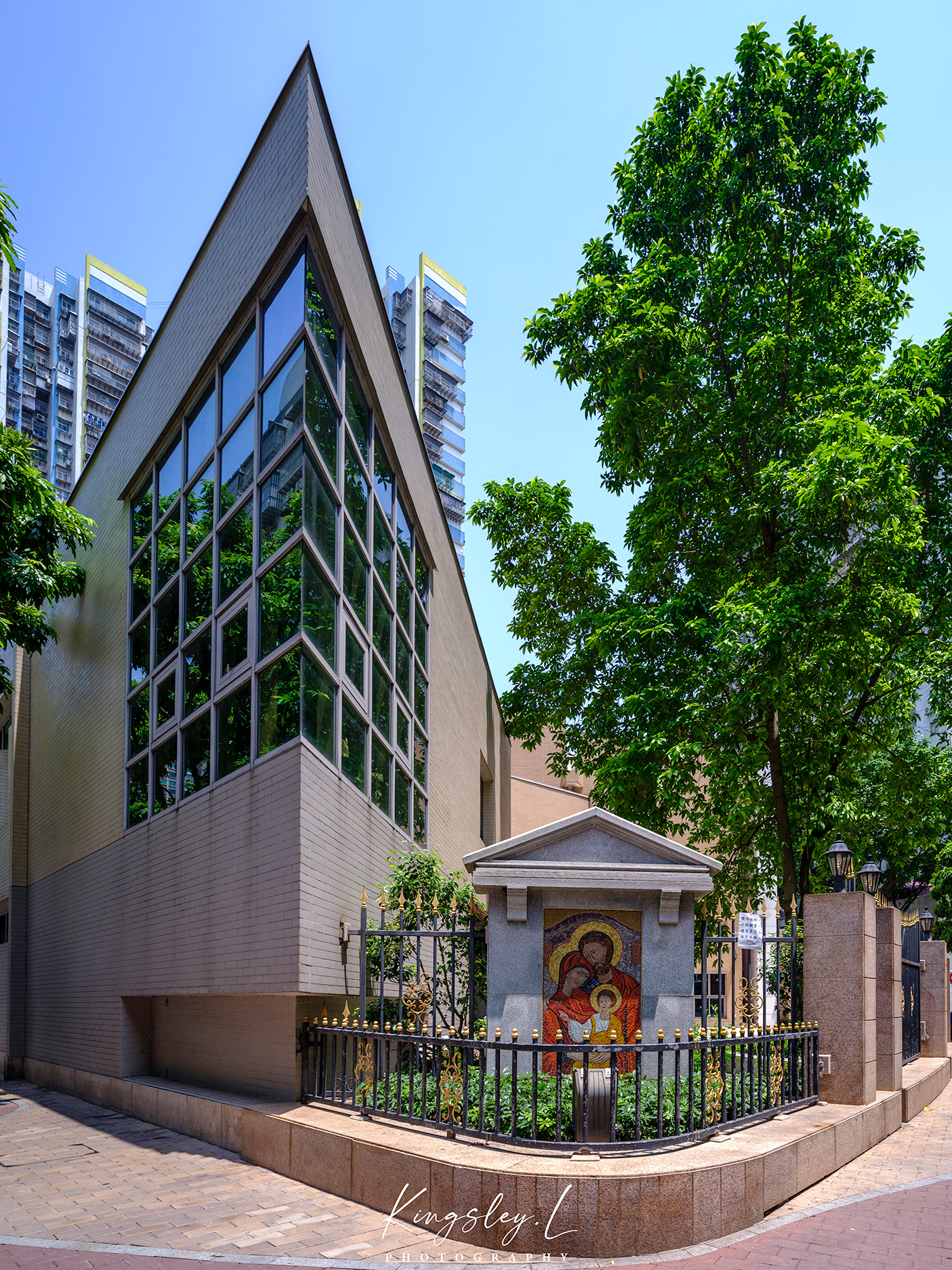
於二○○七年期間,勞工主保堂進行復修工程,並於該年五.一堂慶日,由澳門主教黎鴻昇為聖堂復修完竣主持揭幕。還有於外壁的新聖若瑟畫像,是澳門一位意大利藝術家的畫作,再由內地師傅鑲嵌,亦於同一天,由黎主教為其祝聖。
基督的身體
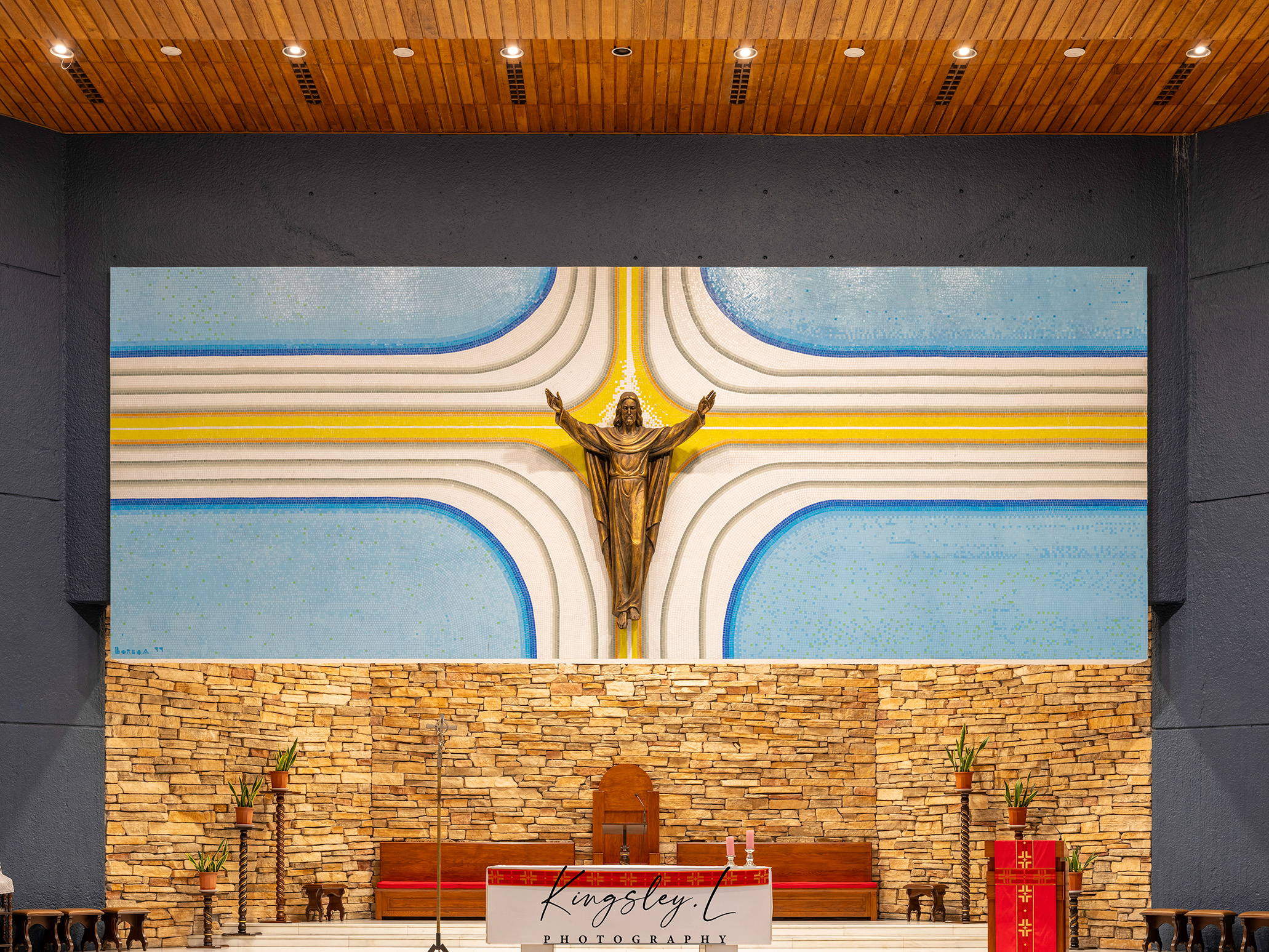
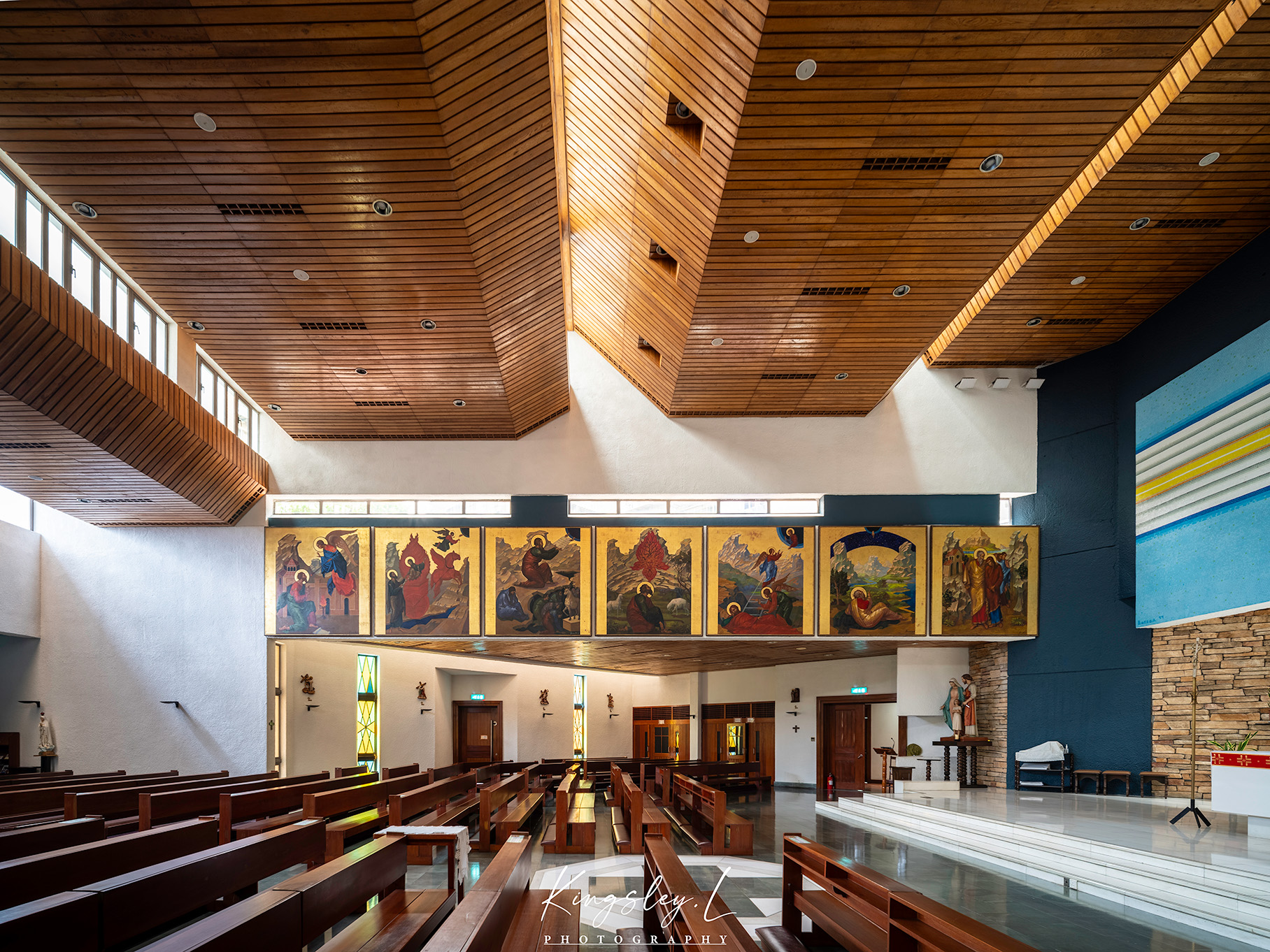
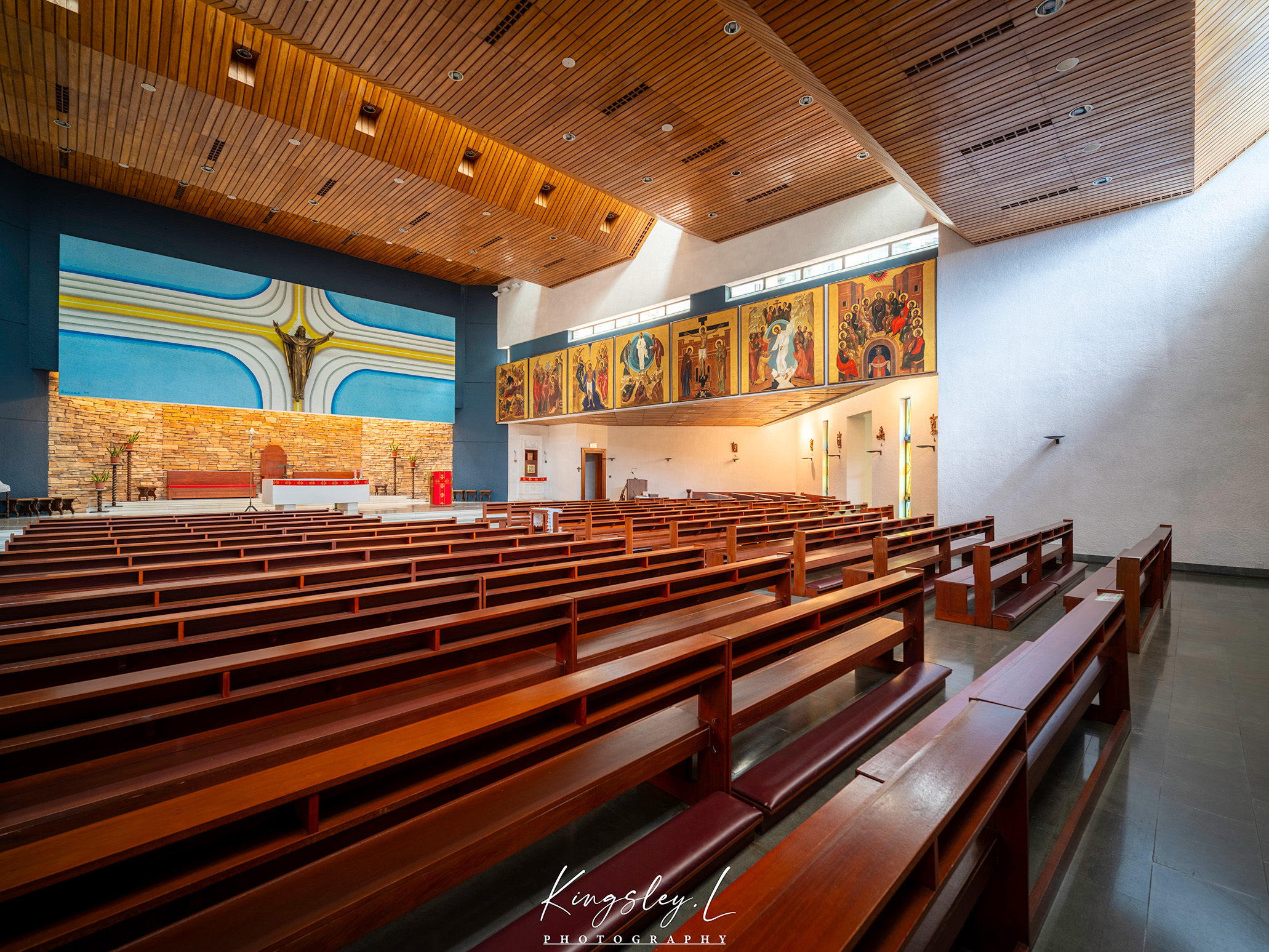
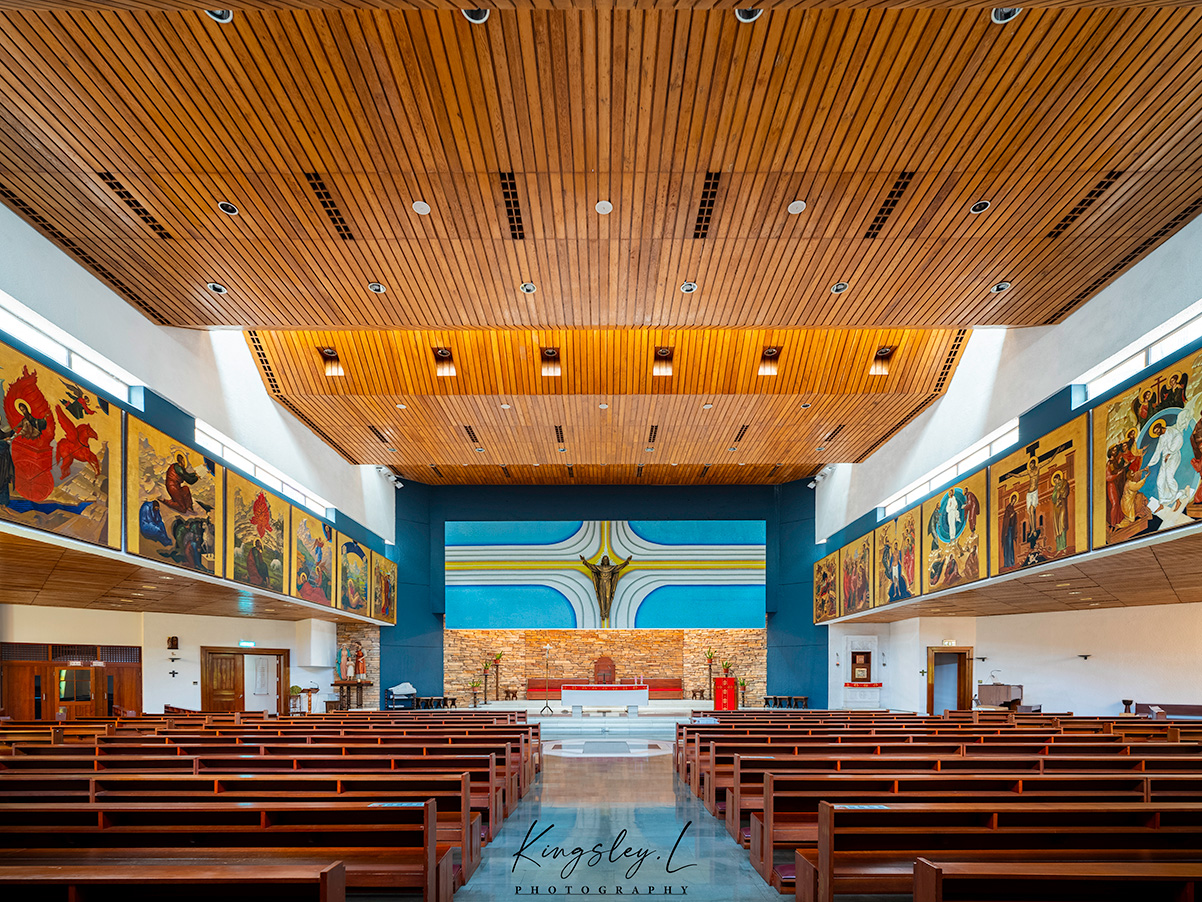
聖堂內的祭台是中殿的焦點所在。據聖堂的設計者葡萄牙建築師 Luis Nagy 說道,聖堂是教友聚集朝拜天主的地方,所以 Luis 將聖堂的內部設計得像人的身體── 頭:主祭的座位,心:祭台,口:讀經台,手腳:教友;代表了基督的整個身體。而外部設計得像兩隻張開的手,歡迎教友進入聖堂的模樣。
St. Joseph the Worker Church
St. Joseph the Worker Church is located in the Yau Hon district, where most residents are workers and new immigrants from mainland China. The church's exterior resembles two arms opening towards China, symbolizing a welcome to the vast Chinese population to visit and know Christ. Bishop Lam further stated that the grassland opposite the church extends to the sea, overlooking mainland China, like a runway. Therefore, Bishop Lam specifically designed the church to appear as if it were flying towards China and the entire Far East coastal region, symbolizing the Macau Diocese's missionary direction towards the Far East, taking off towards the Far East!
St. Joseph "Patron of Workers"
St. Joseph is the patron saint of the entire Church and China, celebrated on March 19th; he was also proclaimed as the patron saint of all workers worldwide, with celebrations on May 1st Labor Day. In 1955, Pope Pius XII designated May 1st as "St. Joseph the Worker Day" because many countries celebrate Labor Day on May 1st, and the Pope sanctified the Church's feast day, emphasizing the dignity of workers. In 1956, the title "Spouse of the Virgin Mary" was also added.
Parish History
St. Joseph the Worker Church, serving as the church for the Yau Hon missionary parish, was built after two years of construction and nearly twenty years of planning. It was finally completed before Macau's handover, costing approximately 25 million Macau patacas, with all funds coming from Sunday Mass offerings from parishioners, without any foreign or government donations. During the planning process, to save costs, many priests had to take on multiple roles, and Bishop Lam Ka-chung had no secretary to type for him, handling all office work personally.
It was finally inaugurated in 1998 and handed over to the Comboni Missionaries for management. On May 1st, 1999, it was consecrated and dedicated by Bishop Lam Ka-chung of Macau.
New Appearance After Restoration
During 2007, the Worker Church underwent restoration work, and on that year's May 1st feast day, Bishop José Lai Hung-seng of Macau presided over the unveiling ceremony for the completed restoration. The new St. Joseph painting on the exterior wall, created by an Italian artist in Macau and inlaid by mainland craftsmen, was also consecrated by Bishop Lai on the same day.
Body of Christ
The altar in the church is the focal point of the nave. According to Portuguese architect Luis Nagy, the church's designer, the church is a place where the faithful gather to worship God. Therefore, Luis designed the interior of the church to resemble the human body—the head: the celebrant's seat, the heart: the altar, the mouth: the ambo, the hands and feet: the faithful; representing the entire Body of Christ. The exterior design resembles two open hands, welcoming the faithful into the church.